… the Leica 0
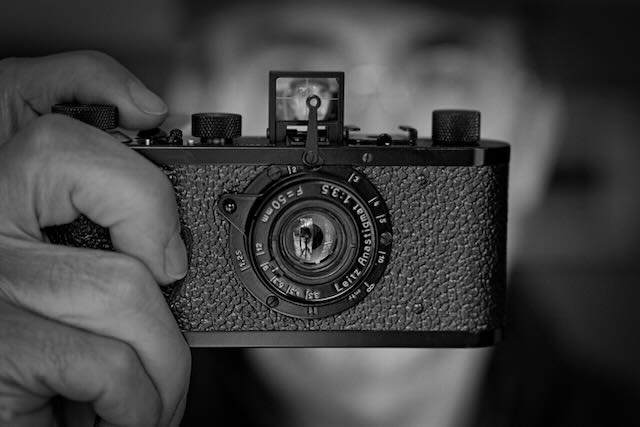
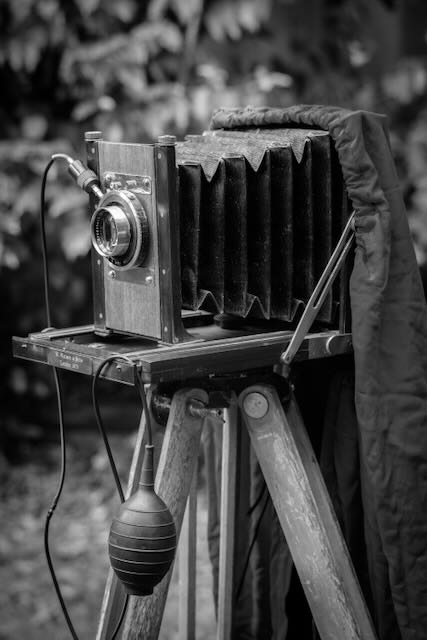
In the early 1920s, photography was slow and cumbersome. Most cameras were big, heavy wooden boxes mounted on tripods. Film handling was awkward, exposures were deliberate, and spontaneity was rare. Making a photograph required planning and patience.
Then in 1923 a small experimental camera quietly changed everything. The Leica 0 began as a personal solution. Oskar Barnack was an engineer at the optical instruments company owned by Ernst Leitz. He struggled with asthma and found the heavy cameras of the day difficult to carry. A traveler and outdoorsman, he wanted a camera that could move with him rather than slow him down. His idea was radical for its time: use 35mm motion picture film horizontally to create a 24×36mm negative with excellent image quality in a compact body. Leitz supported the concept by helping finance the research and development of both the camera and a new type of film and canister to support it. That is the same 35mm film format and canister still in use today.
Many doubted that photographers would accept such a small negative. Large formats were considered essential for quality. But Ernst Leitz trusted Barnack’s engineering instincts and supported years of testing and refinement. The Leica 0 was built to answer a simple question: could this new approach work outside the workshop?
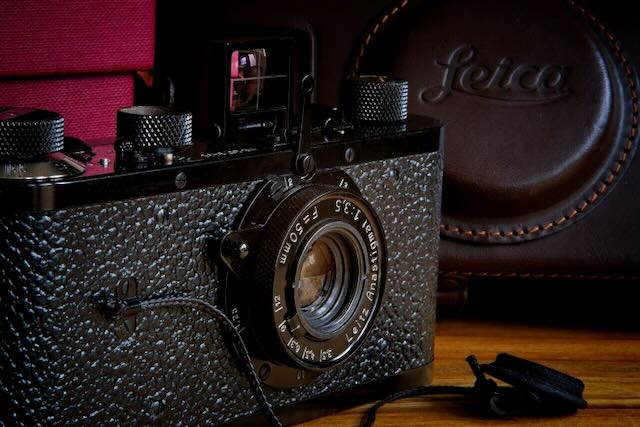
The answer reshaped photography. The Leica was born, cameras became portable, photographers became mobile, and images became more immediate. Candid moments, street work, travel photography, and modern visual storytelling all grew from this shift.
Look at the camera you use today, film or digital. Its lineage traces back to this quiet experiment — the Leica 0, where modern photography truly began.
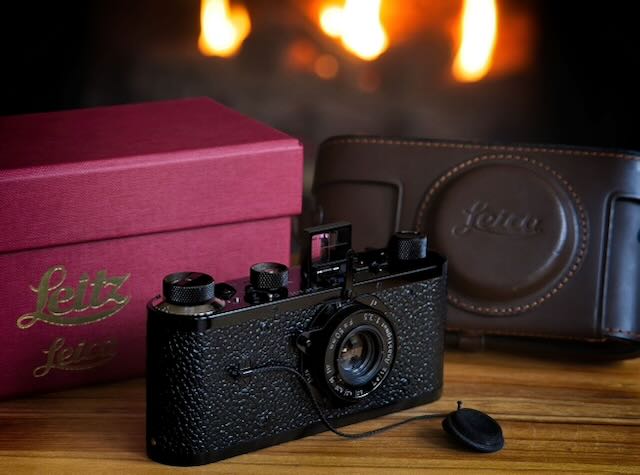
The Leica 0 in this photo was an unexpected gift from my wife this Christmas. It’s far more than a collector’s piece. It’s a piece of photographic history that changed how we see the world. My Leica 0 won’t be sitting on a shelf; it’s loaded with 35mm film. I’ve included a couple of the first frames I made in my eagerness to get out and shoot with this lovely, and very challenging, piece of history.
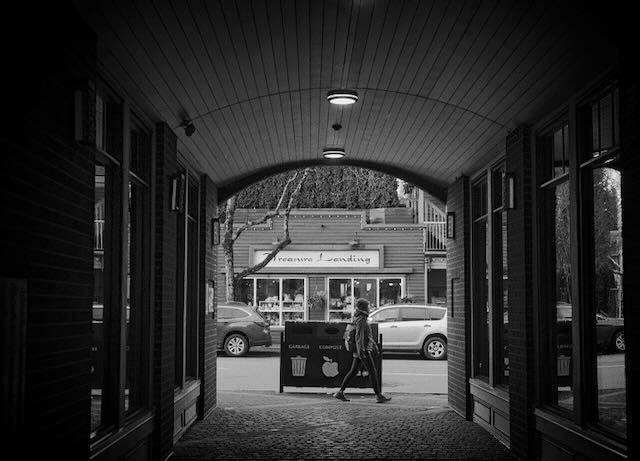
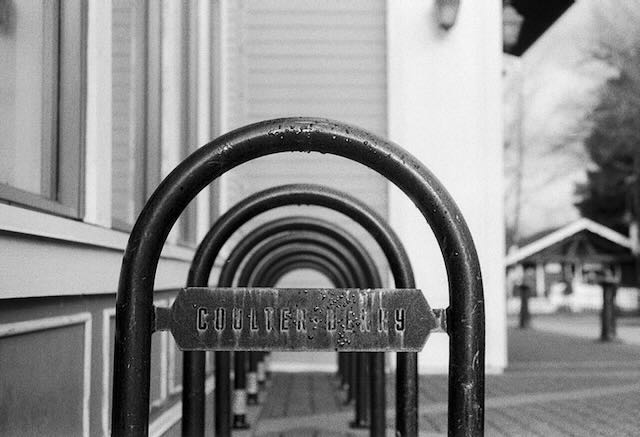
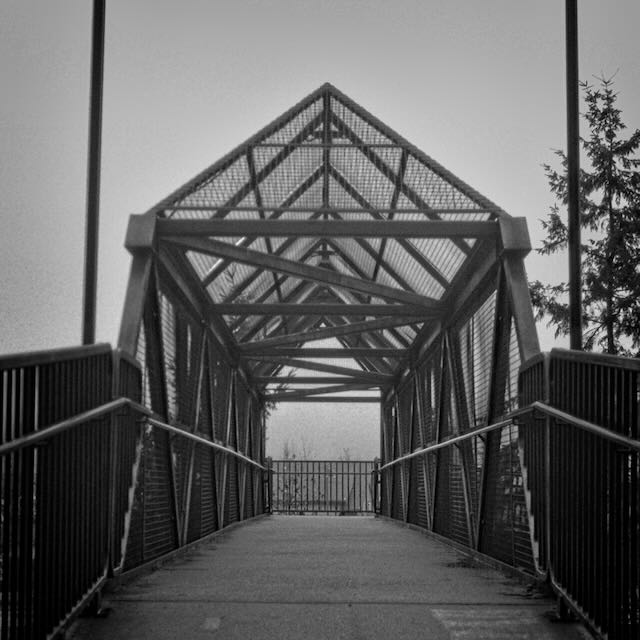
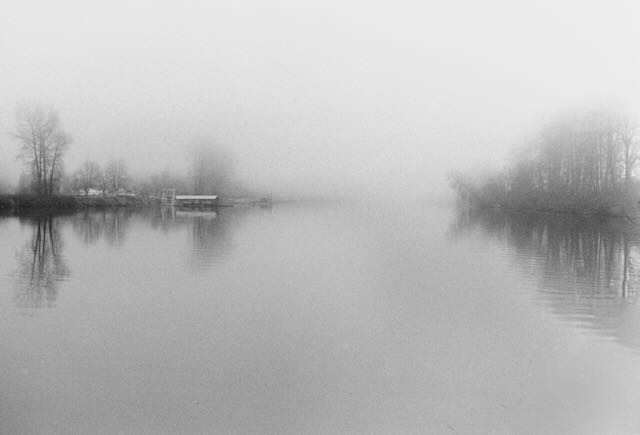
Leica re‑issued this Leica 0 in 2000 as a fully functional tribute to the 1923 prototypes, marking the 75th anniversary of the company’s first production camera. Limited to just 2,000 units, the camera was hand built from the original design to faithfully recreate the look and operation of the original Leica 0, of which only 25 were ever built and just a handful survive today. Those surviving originals routinely sell for many million dollars at auction, underscoring their status as some of the rarest and most historically important cameras ever made. The 2000 re‑issue offered photographers and collectors a way to experience Oskar Barnack’s pioneering history making design.