Rescued From a 65-Year Sleep

Recently I received a message from a friend at Switzers Vintage in Chilliwack British Columbia. He showed me a photo of an old roll of 120 film that had come into his possession. Knowing that I develop a lot of vintage film, he asked if I wanted to try and develop it. Of course, I said yes.

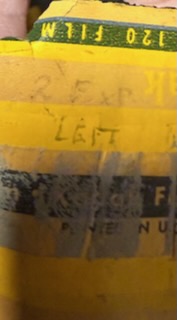
Several days later, I made the trip to Chilliwack to retrieve the film. Looking at the roll in my hands, my heart sank. It appeared the Kodak Panatomic film hadn’t been exposed. If it had been rolled through a camera, I’d be seeing the opposite end of the backing paper with the word Exposed. Instead, I was looking at the start of the roll, suggesting it hadn’t made a trip through a camera.
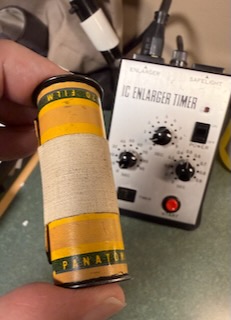
Img 1339 (1)

Back in my studio, I examined it more closely and noticed faint writing on the paper: 2 Exp Left. Could it be that the film was partially shot and then re-rolled onto the original spool to save the remaining frames for later? Not a simple process with many cameras, but fairly common among pros and serious photographers of the era. It was worth a try.
Img 1342

I then set about estimating the film’s age, which would help determine optimal development times. Panatomic was introduced around 1933 and remained popular into the early ’90s. This roll had a metal spool, not plastic, and the distinctive yellow-orange backing paper with simple text and no graphics. Most likely, it was manufactured in the mid-1950s, making it somewhere between 65 and 75 years old.

Next, I had to choose a development method. I immediately ruled out stand development, which tends to produce faint images on vintage film. These latent photos had been sitting for nearly 70 years, and they’d need a little extra kick. My developer of choice for very old film is Rodinal. It might introduce some fogging, but it excels at pulling out detail, which is more important. I used a longer fix time and a slightly cooler development temperature to help minimize fog.

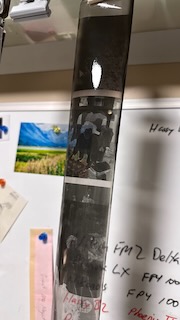
I mixed the chemicals and set the timers. Eventually, the film sat in the final rinse stage, and I prepared myself for disappointment: a blank, unexposed roll. The darkroom timer buzzed. I pulled the film out… and there were images. Only three, but they were there. I hung the film to dry.
Img 1343

The last frame was a double exposure, but the first two were clear. One was a portrait of a young woman in front of a Christmas tree. The third image, however, was particularly intriguing.
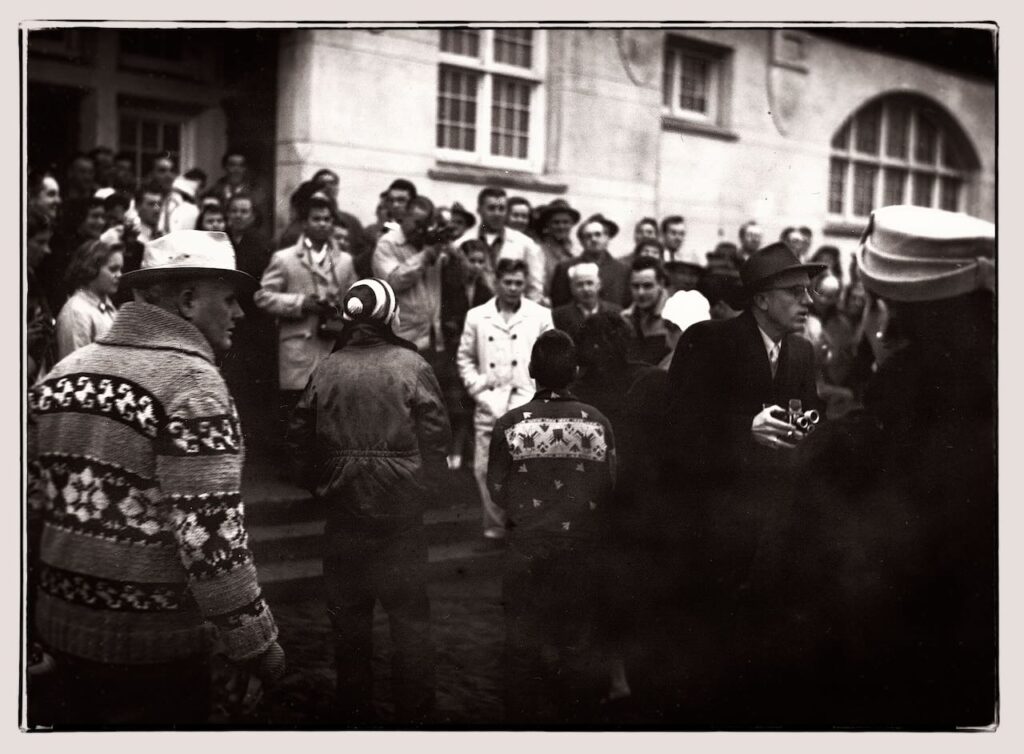
From a roll of kodak panatomic film dating to the mid to late 1950's
From a roll of Kodak Panatomic Film dating to the mid to late 1950’s

It appeared to be a public event. A man in a dark hat stood on the right, holding what looked like an 8mm movie camera, possibly a reporter? A couple of other photographers were visible in the crowd. The attire matched Vancouver in the 1950s, which aligned with where the film was found. But where was this scene, and what was happening?
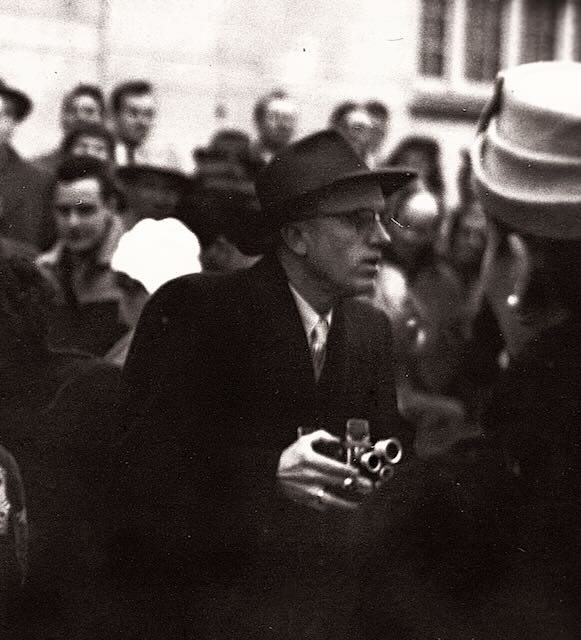
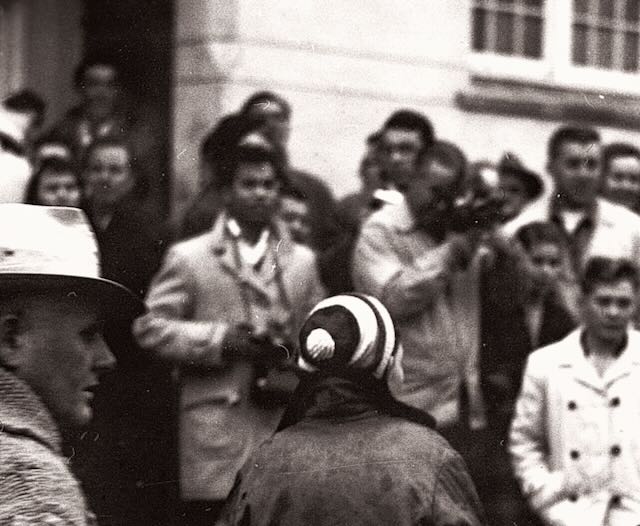
From a roll of kodak panatomic film dating to the mid to late 1950's
Closeup of the photo showing the movie camera and photographer
From a roll of kodak panatomic film dating to the mid to late 1950's
Closeup of the photo showing the other photographers

I shared the image on social media and received a flood of responses. Many identified the location as the Vancouver English Bay Bathhouse. Comparing archival photos confirmed the match. But what was the event?

Some suggested the annual English Bay Polar Bear Swim, held every New Year’s Day since the 1920s. But the mood was off. There were no smiles, no shivering swimmers wrapped in towels. The crowd looked solemn.

Then came a breakthrough. A few followers proposed it might be the demolition of the English Bay Pier, which was dismantled in 1958 due to decay and redevelopment plans. In January of that year, crowds gathered to witness its final moments.
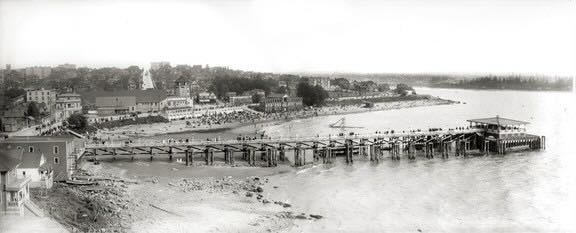
English bay showing the Pier and behind it, the Bathhouse
Photo Source – Vancouver Archives CVA 677-95

I suspect that’s what we’re seeing. While the crowd watched the pier come down, the photographer turned their lens toward the onlookers, capturing not the spectacle, but the people witnessing it. A quiet inversion. A frozen moment of collective memory.

A few days later, I received a message from a follower. His father, now 91, had worked for Vancouver’s Public Works Department for over 40 years. He showed him the photo. Without hesitation, he said:

“Oh yes, I remember it. That was the day the pier came down.”
The CLA

“Clean, Lubricate, Adjust” Should Actually Mean Something

Written By: Jim Sollows
Date: October 17 2025

In the world of vintage cameras, three little letters, C-L-A, get tossed around more than a film canister at a camera swap. “Clean, Lubricate, Adjust” refers to a full mechanical and optical service meant to bring a camera back to near factory-spec performance. Unfortunately, somewhere along the way, the term has started to lose its meaning and become a marketing buzzword.

Scroll through any online marketplace and you’ll see it everywhere: “Recently CLA’d!” or “Just CLA’d and ready to shoot!” But more often than not, that so-called CLA is little more than a wiped-down exterior and a few shutter clicks to show it still makes noise. That is not a real CLA, and the kind of work that actually counts is not cheap, so you will not find it on bargain-bin cameras.

Screenshot 2025 10 17 at 11.32.39 pm
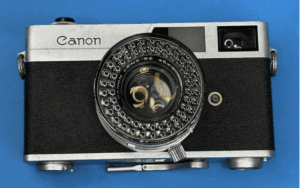
Fresh CLA !!! Canon Film Camera $20.00

Not long ago, I opened a camera belonging to one of my students. He had purchased it after being told it was “recently CLA’d,”. He contacted me because he was having trouble with a rough film advance. The exterior looked clean, but once I removed the top plate, I found dust, grime, and even a spider web. It was very clear evidence that the camera had not been opened in decades, if ever. 

A true CLA is a meticulous process. It means fully disassembling the camera to clean away old, hardened lubricants and applying the correct modern equivalents in just the right places and nowhere else. It also involves calibrating shutter speeds, replacing light seals, aligning rangefinders, and ensuring every moving part behaves the way the original engineers intended. It’s not a five-minute job; it’s a skilled task that takes experience, knowledge, and often specialized tools.

When sending a camera or lens for a CLA, it’s essential to choose a reputable professional who specializes in vintage cameras. The best technicians document their work, sometimes providing test data, photos of the process, or calibration notes. Just as importantly, they stand behind their work, offering a warranty or follow-up support if something isn’t quite right. This all comes at a price, a CLA is an investment, giving new life to your vintage gear.

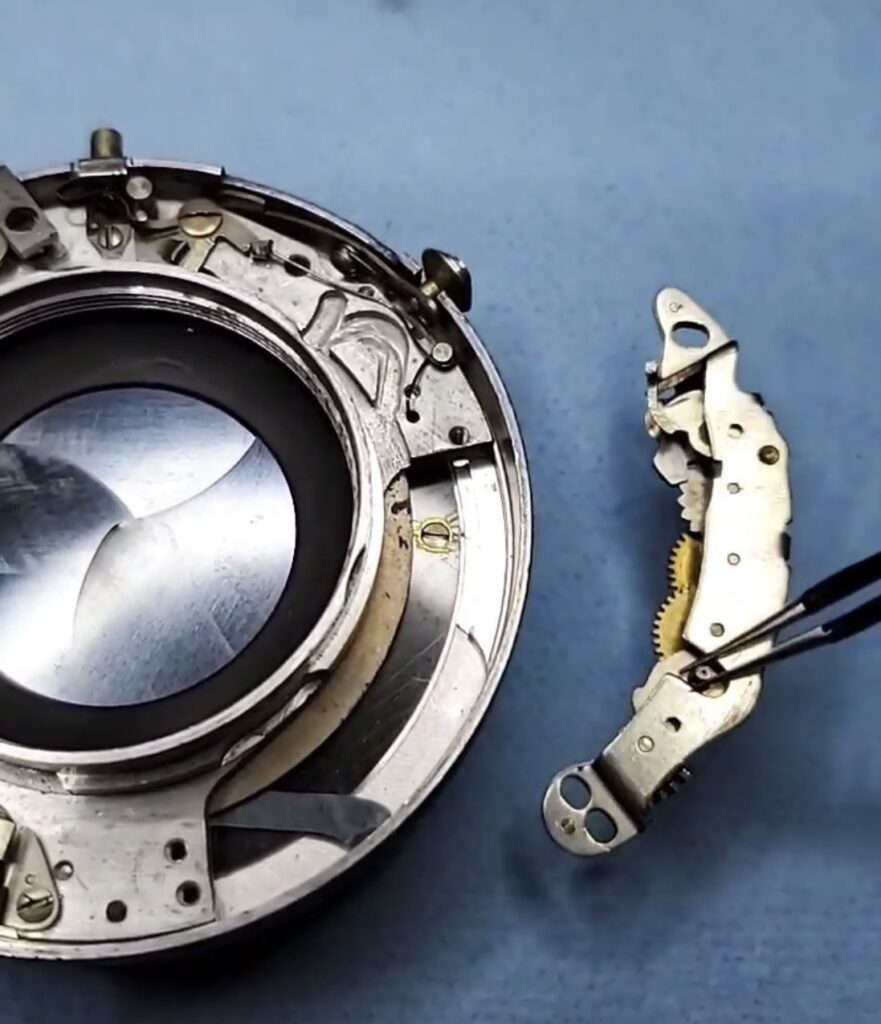
LensMedicYYC servicing a 90 yr old lens
Photo provided by LensMedicYYC showing his progress servicing my 90 yr old lens

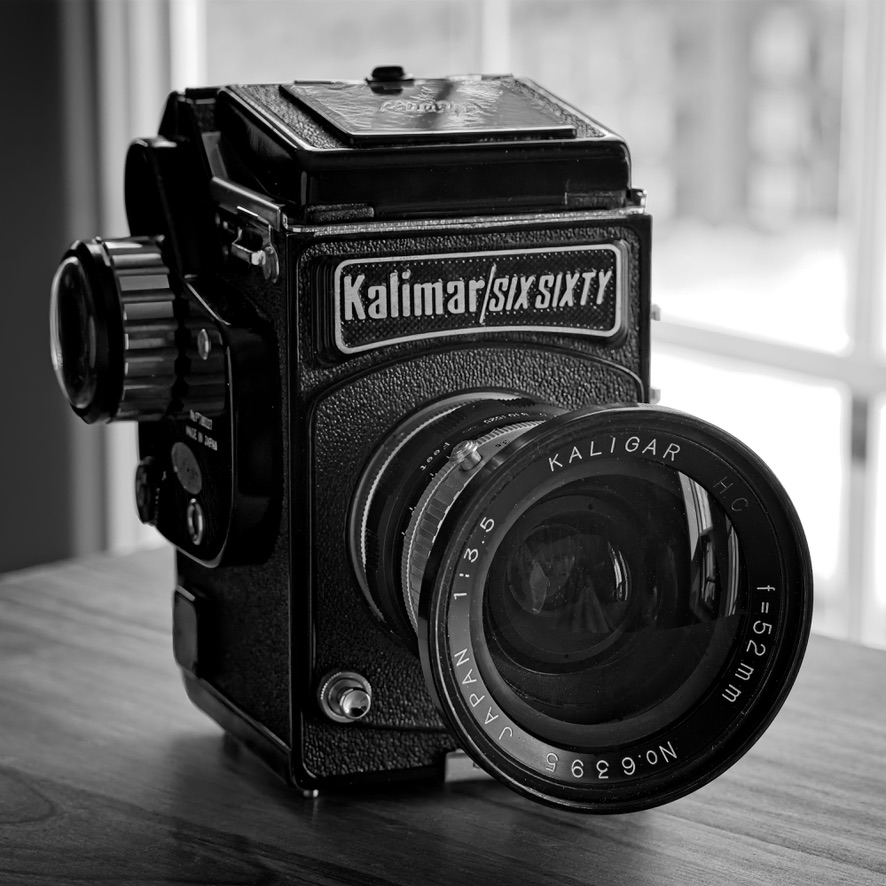
People often ask me to do a CLA on their camera. I can handle some basic service work, but I don’t have the skills needed for a full CLA. Many of my own cameras have been professionally serviced by my go-to technician, Gary at LensMedic YYC in Calgary. Gary has the skills, tools, and experience to do it right, and he’s never let me down. He recently CLA’d a very rare Kalimar Six Sixty medium-format camera. Even Gary admitted he had never seen one in person, yet his work was impeccable.

Kalimar six sixty
Kalimar Six Sixty

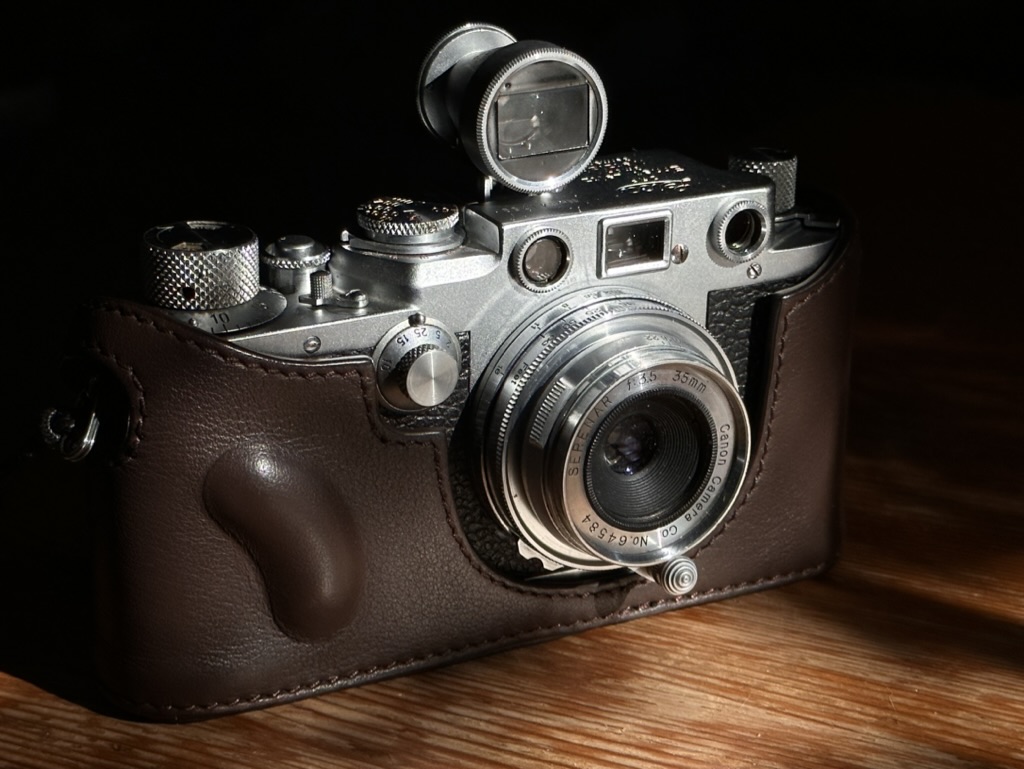
One of my most prized cameras, a 75-year-old Leica IIIF, recently went for a CLA. When it came back, it included a list of work that filled more than three pages. Every gear, spring, and screw had been inspected, cleaned, and adjusted. The shutter curtains were replaced, and all components that were out of spec were either restored to factory standards or replaced entirely. Because of the extent of the work and the need for camera-specific parts, I chose to have it serviced directly through Leica. The result was remarkable. The camera now looks and performs exactly as it did when it left the factory 75 years ago. Holding it, winding it, seeing the crisp clear viewfinder and rangefinder plus hearing that shutter snap feels like stepping back in time.

Leica iiif
Leica iiiF following CLA

When a camera truly receives a proper CLA, it shows. The shutter feels crisp, the advance is smooth, and the meter (if it has one) is accurate. Everything works as it should, often better than it has in decades.

The next time you see someone proudly claim their camera has been CLA’d, take it with a grain of salt unless there’s proof. In the world of vintage mechanical cameras, a true CLA isn’t just a marketing phrase. It is a way to roll back the clock, restoring a fine camera’s performance, preserving its craftsmanship, and keeping it shooting beautifully for decades to come.